Three years ago, Jason Moore shared an idea with me: to create a collection of artwork representing the Corporal and Spiritual Works of Mercy and to display it outside our chapel. What began as an idea slowly became something much larger than an art project and it grew into something none of us could have created alone. Over the past three years, these fourteen works have been created through an extraordinary series of collaborations. Students have worked with students from different grades, families have created art together, former students have returned to collaborate with younger children, and members of our Mercy community have shared their own experiences and perspectives. Some pieces were painted, some collaged, some created digitally, and some combined several different approaches. Each work found its own language. As the Art Teacher, I had the privilege of helping these collaborations take shape. But the most meaningful part of the project was often not the finished painting. It was watching the relationships develop while the artwork was being created. Every painting has a story.
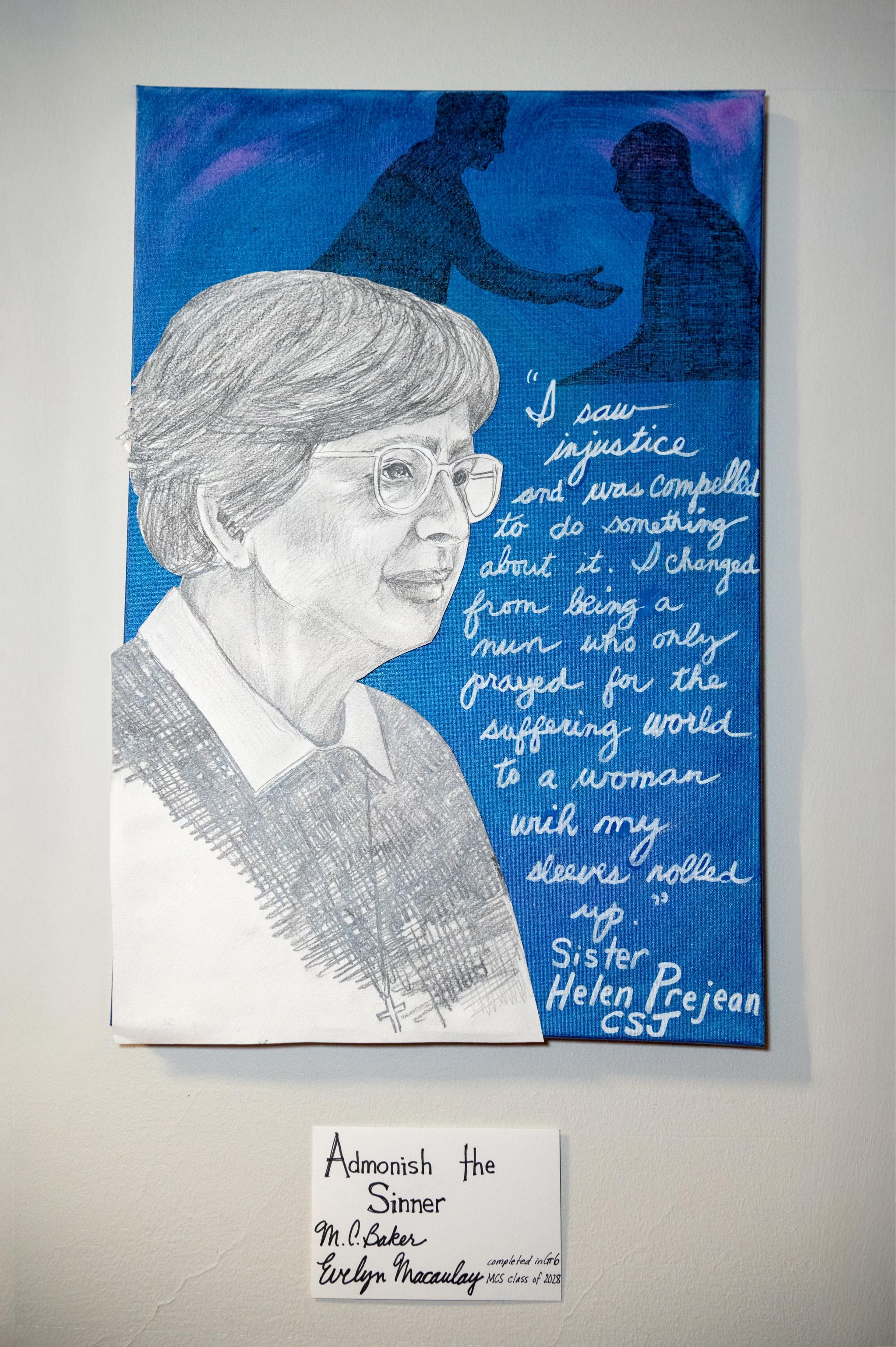
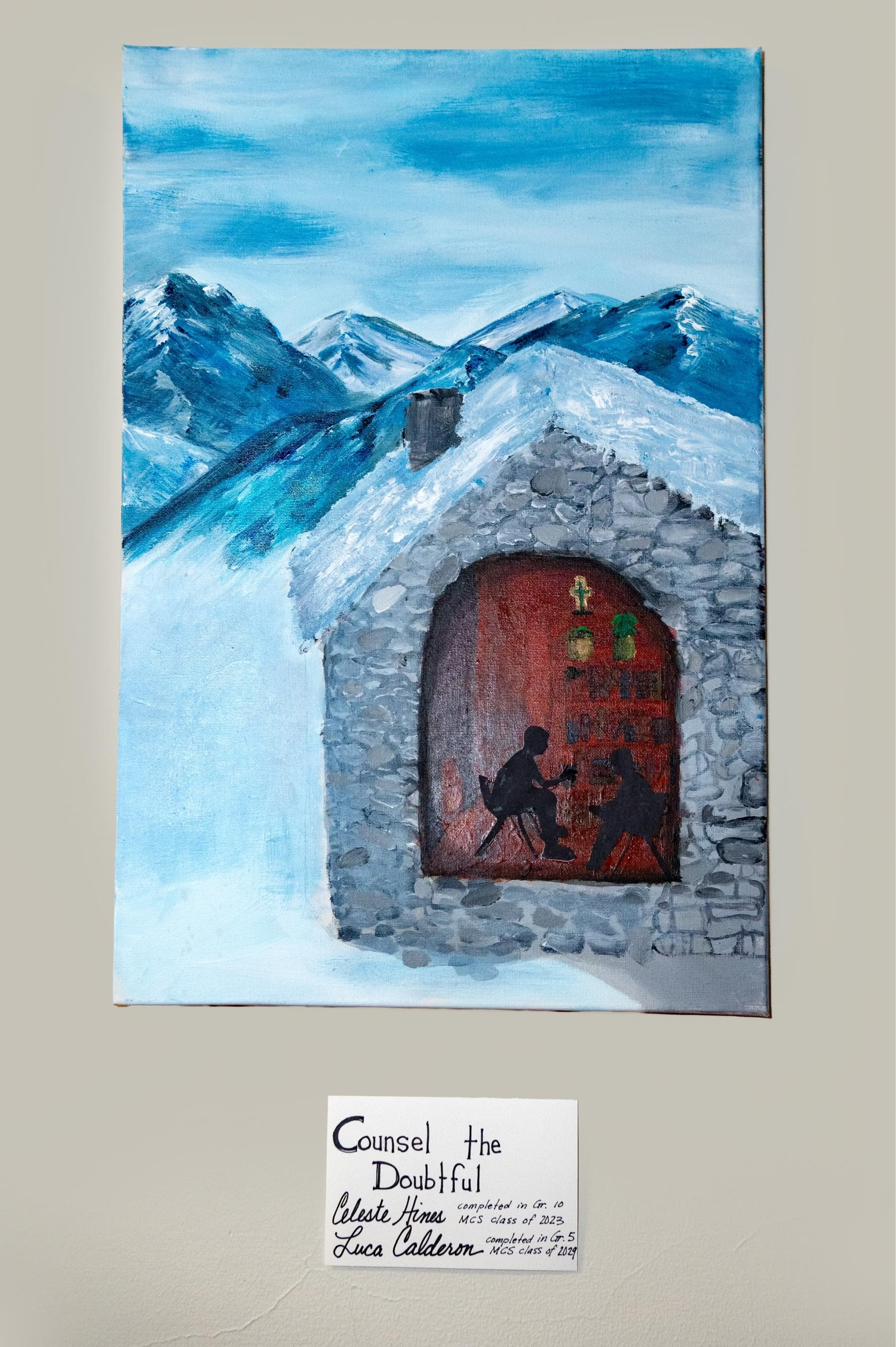
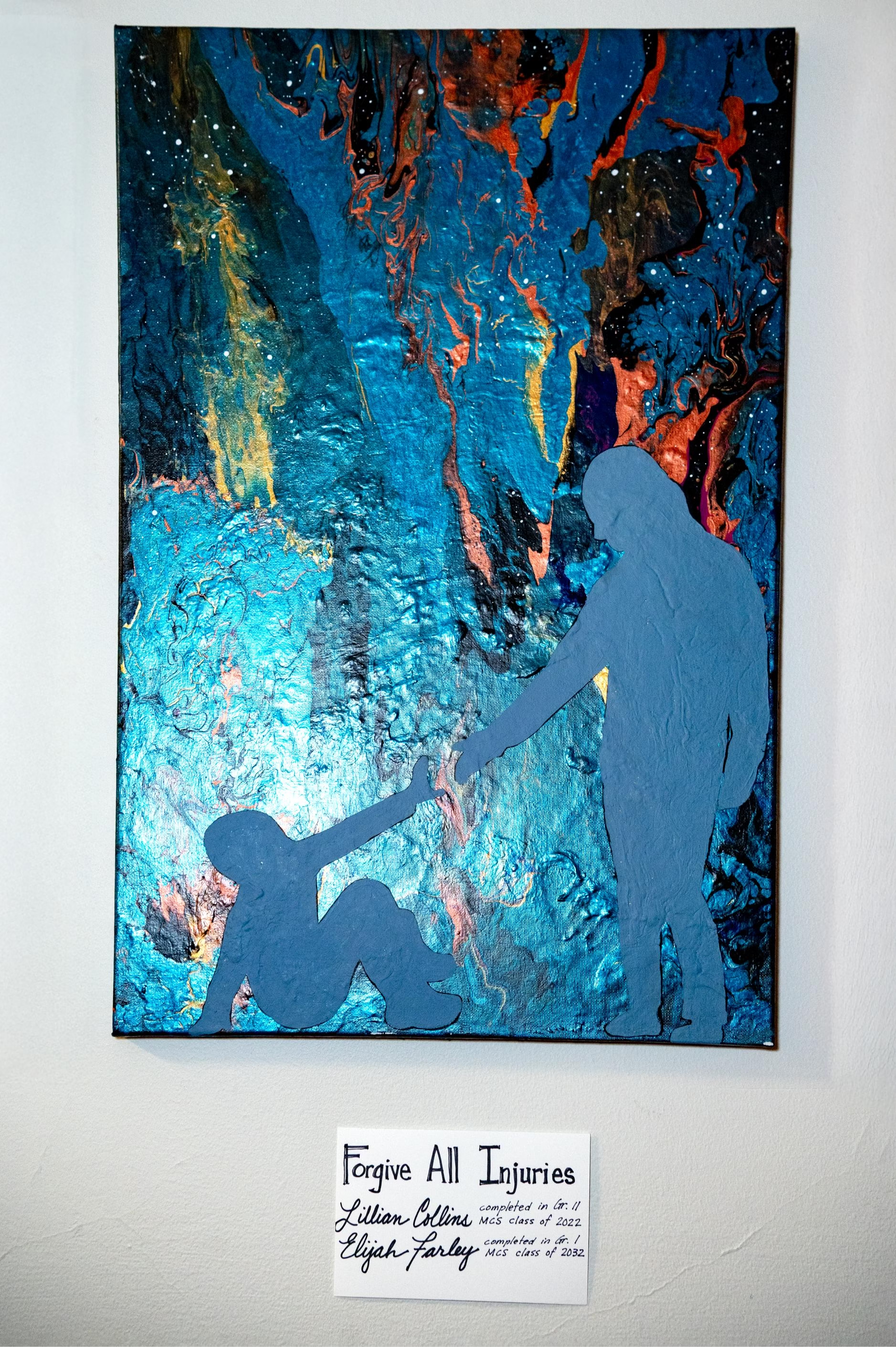
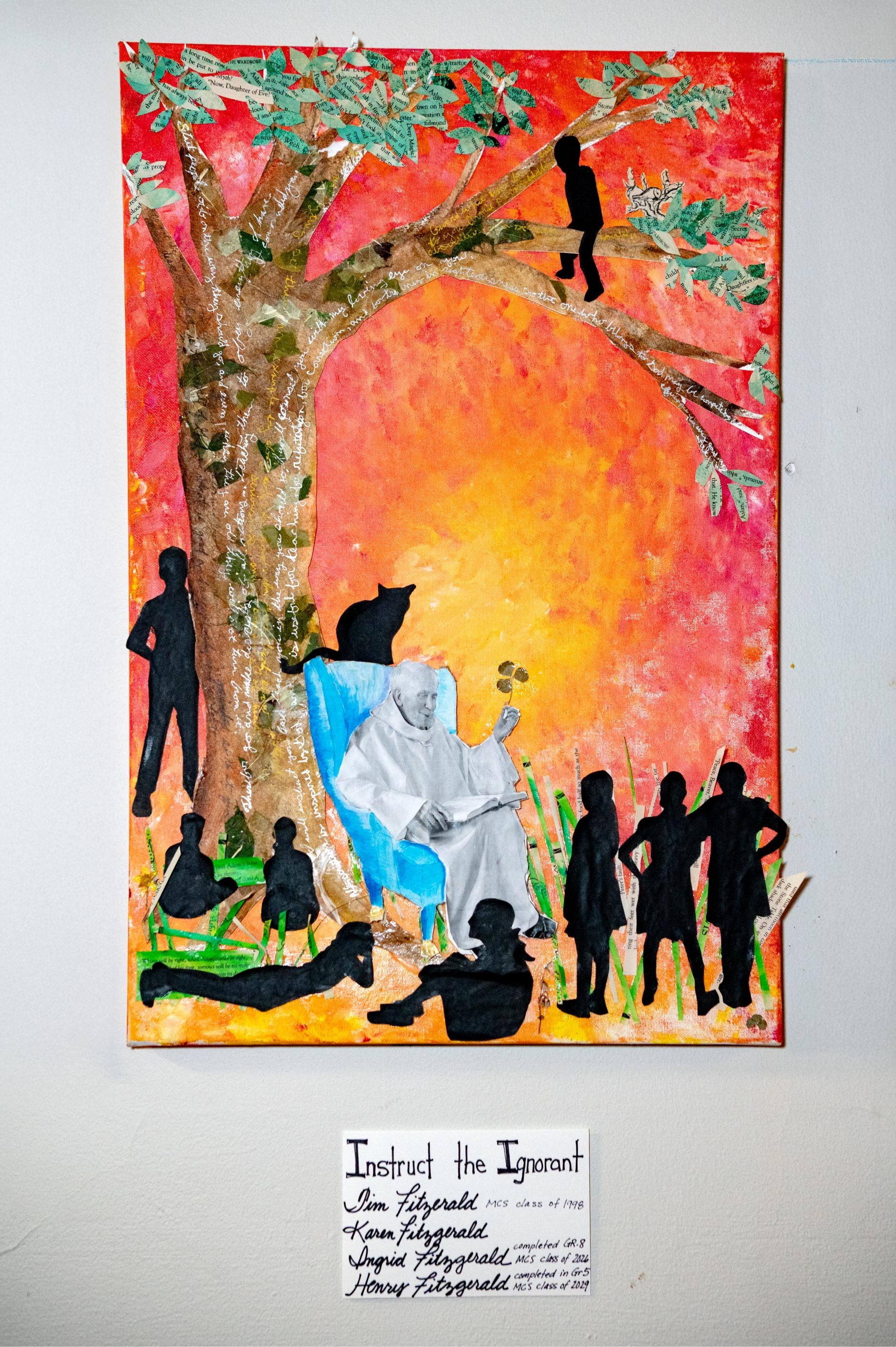
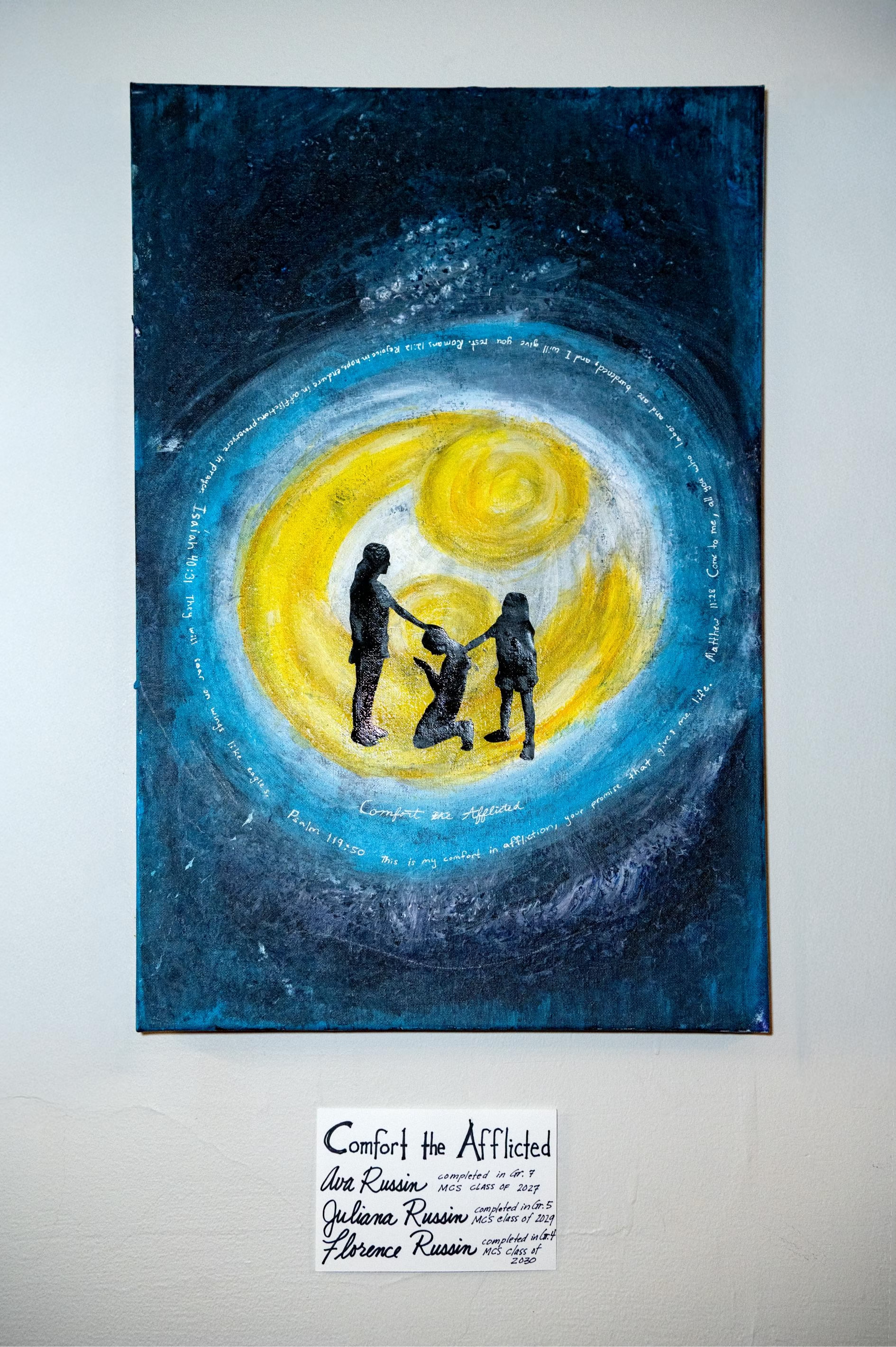
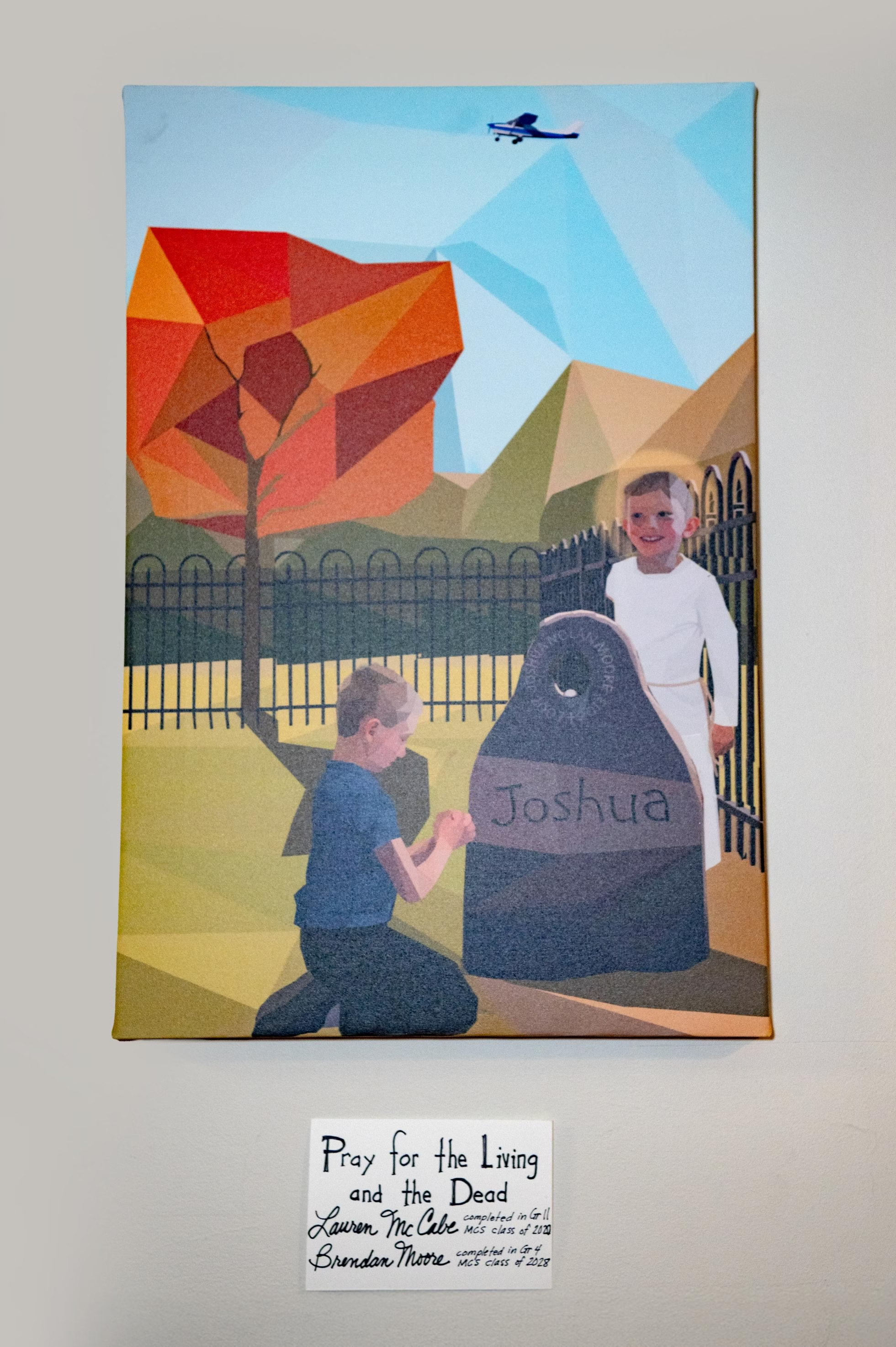
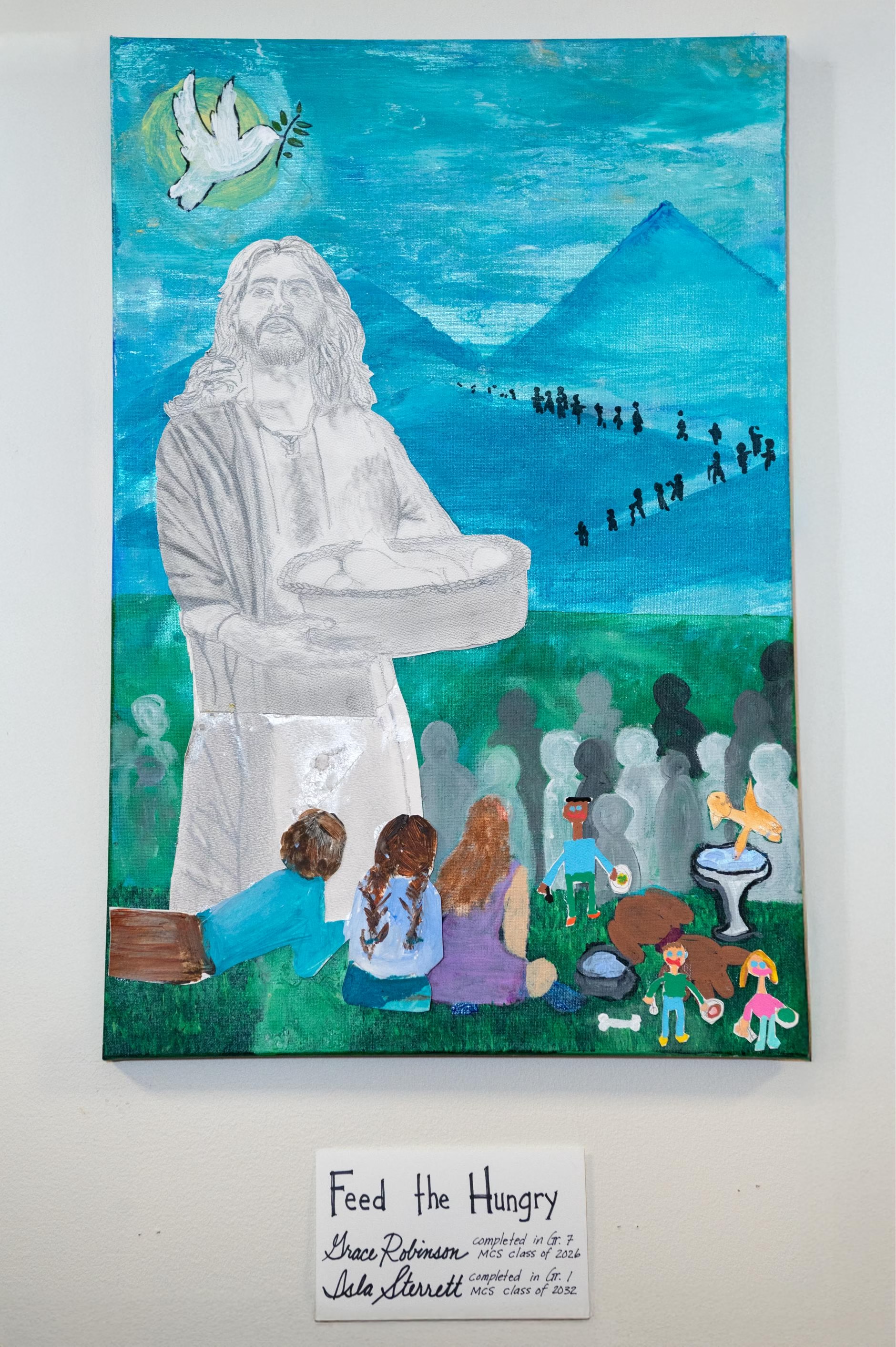
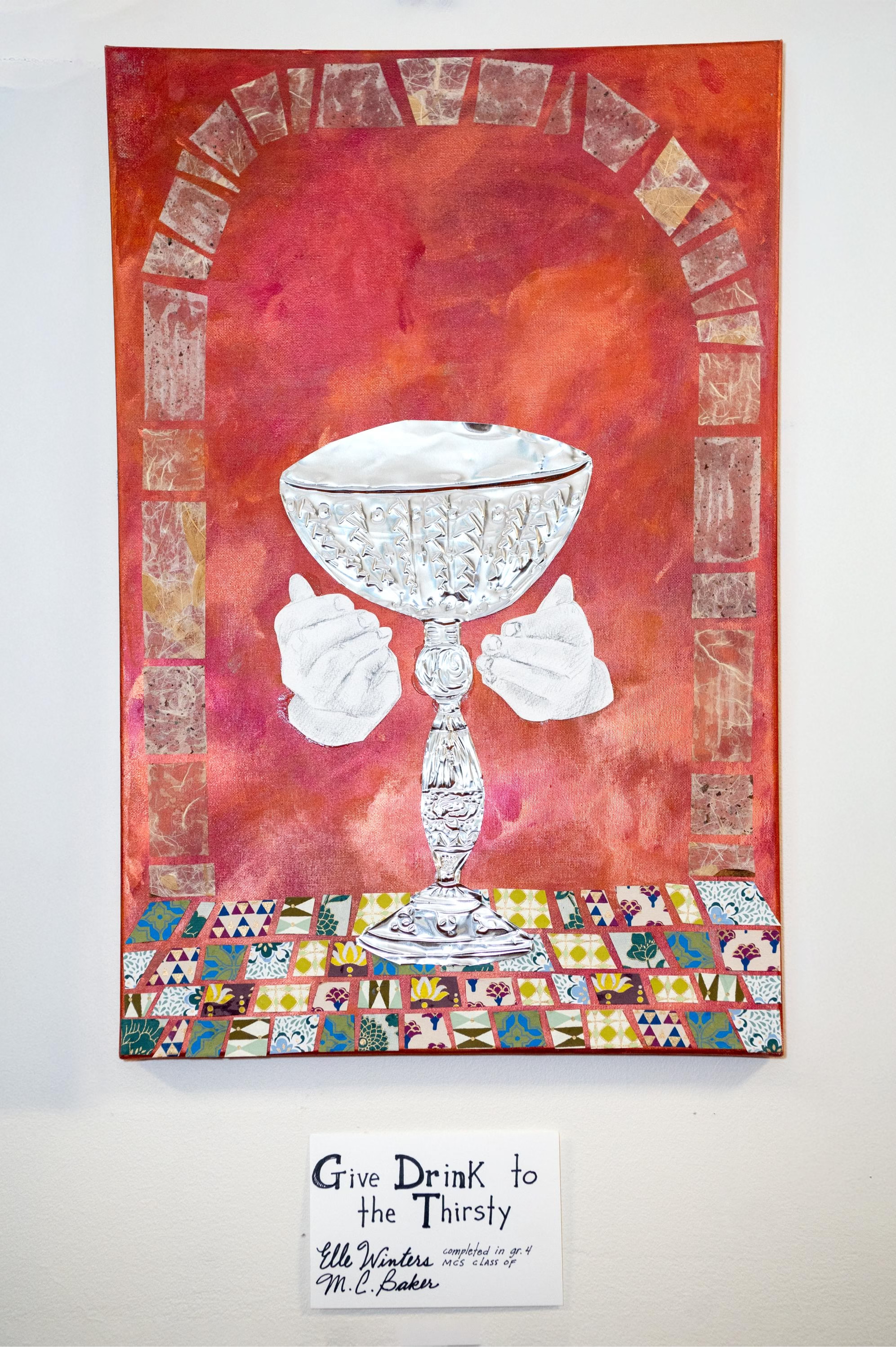
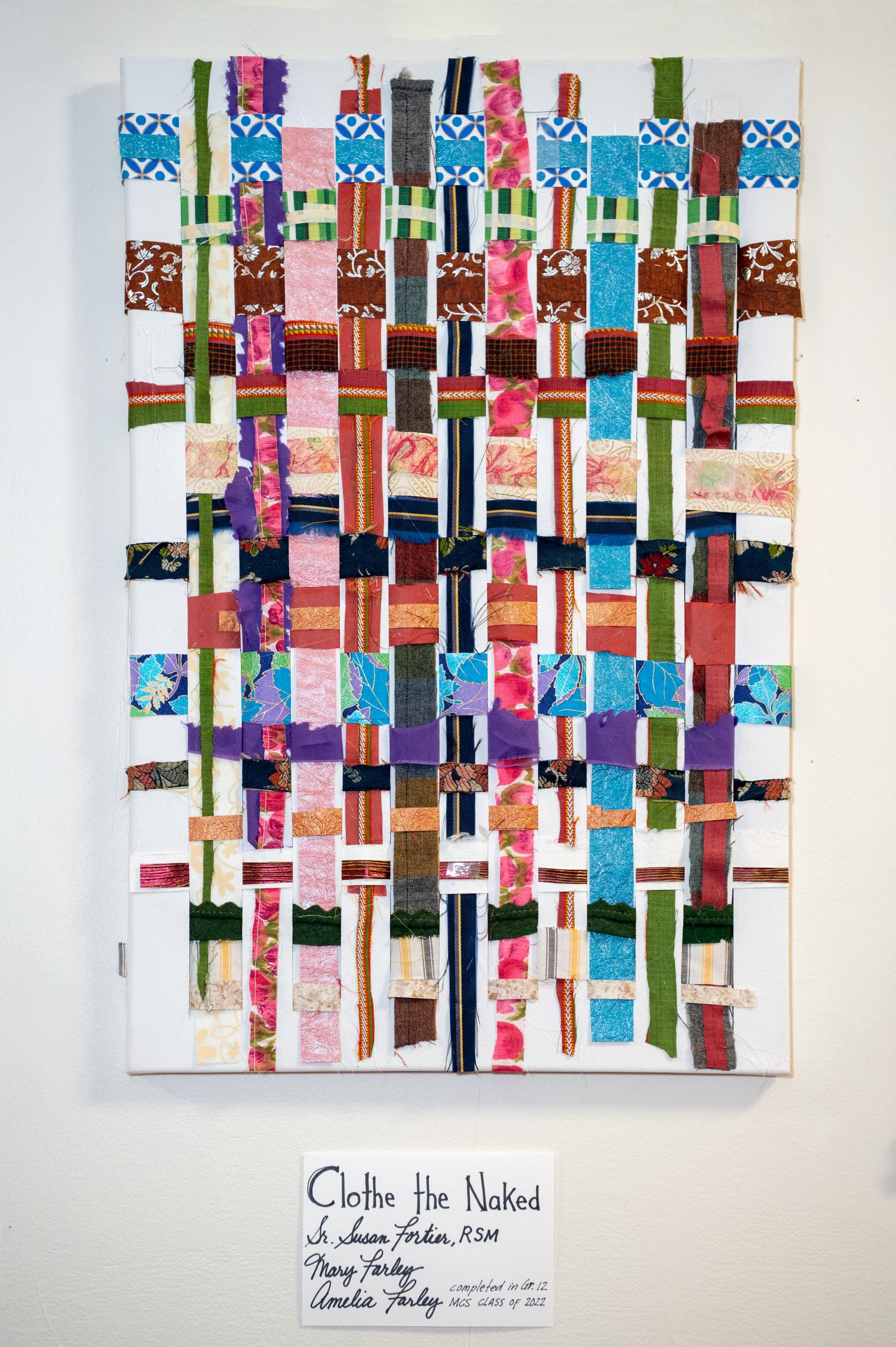
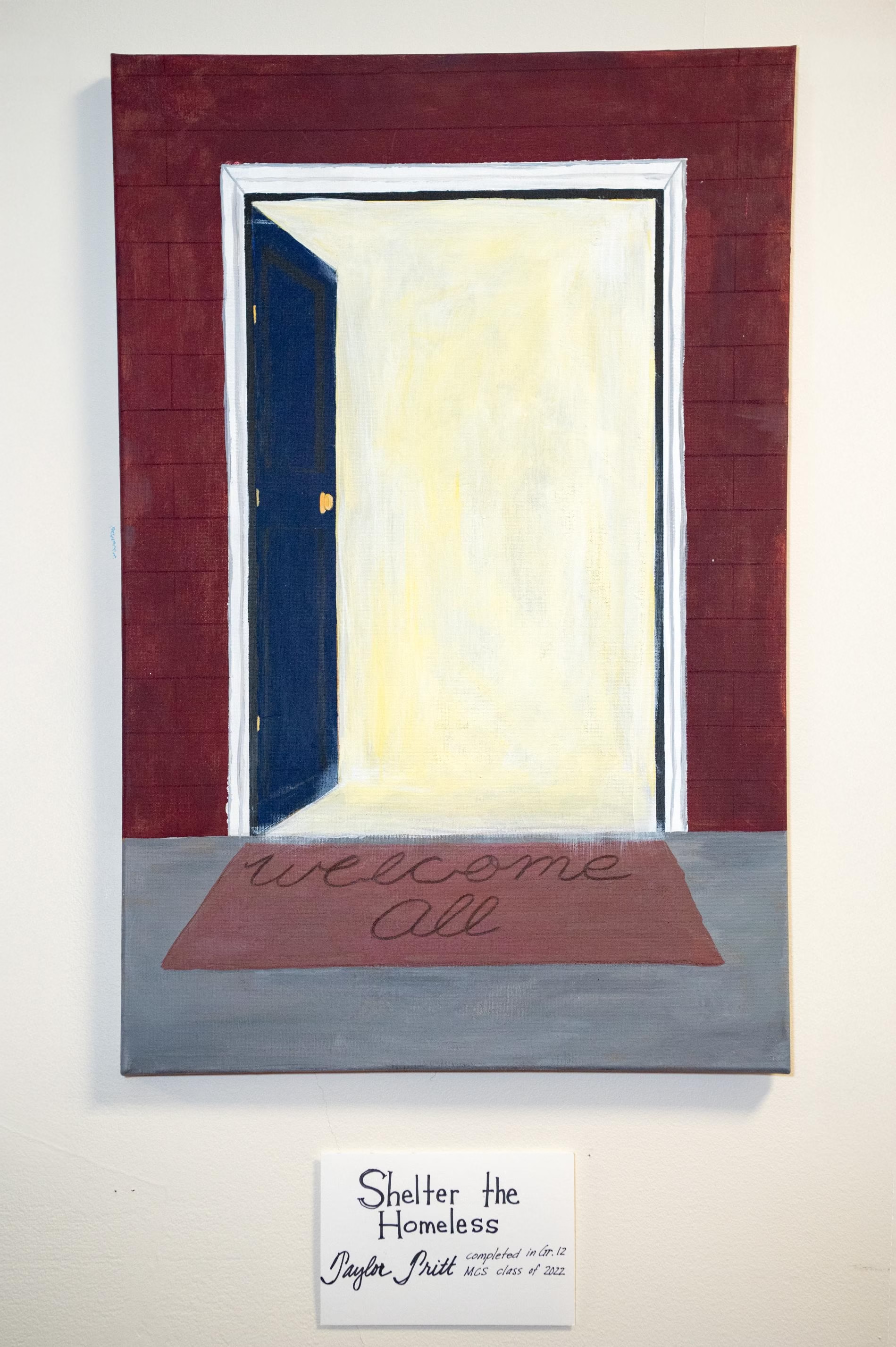
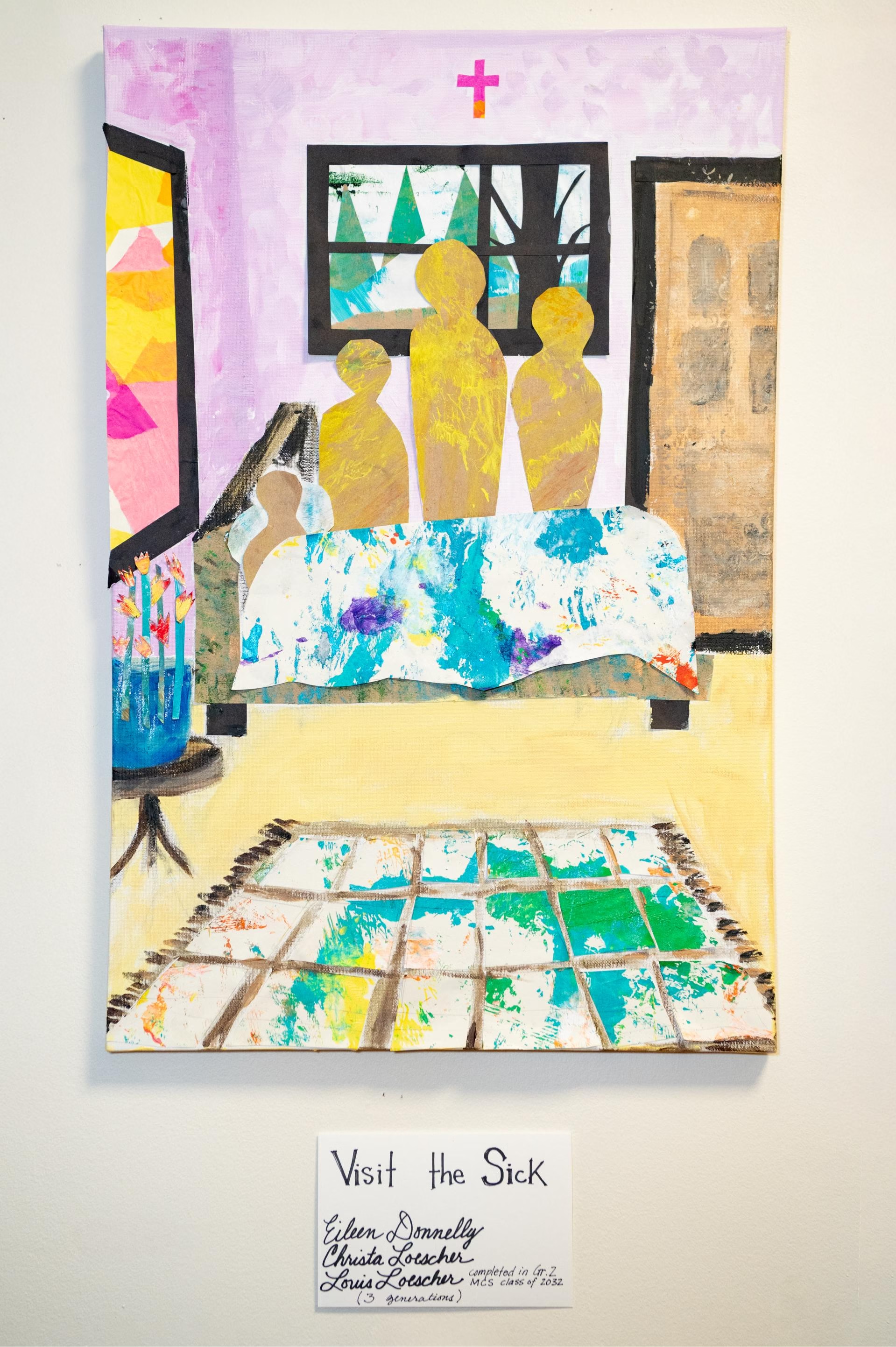
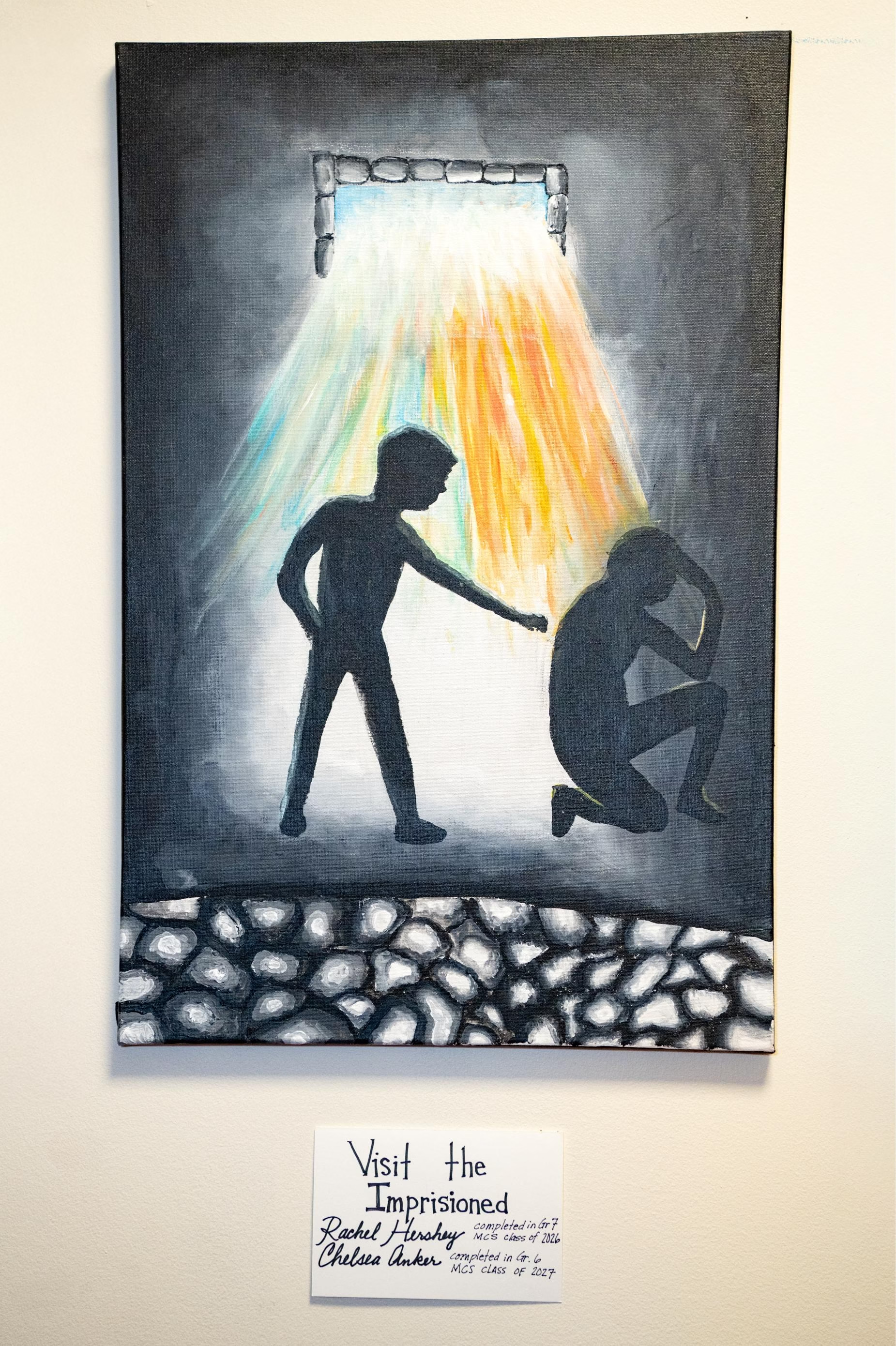
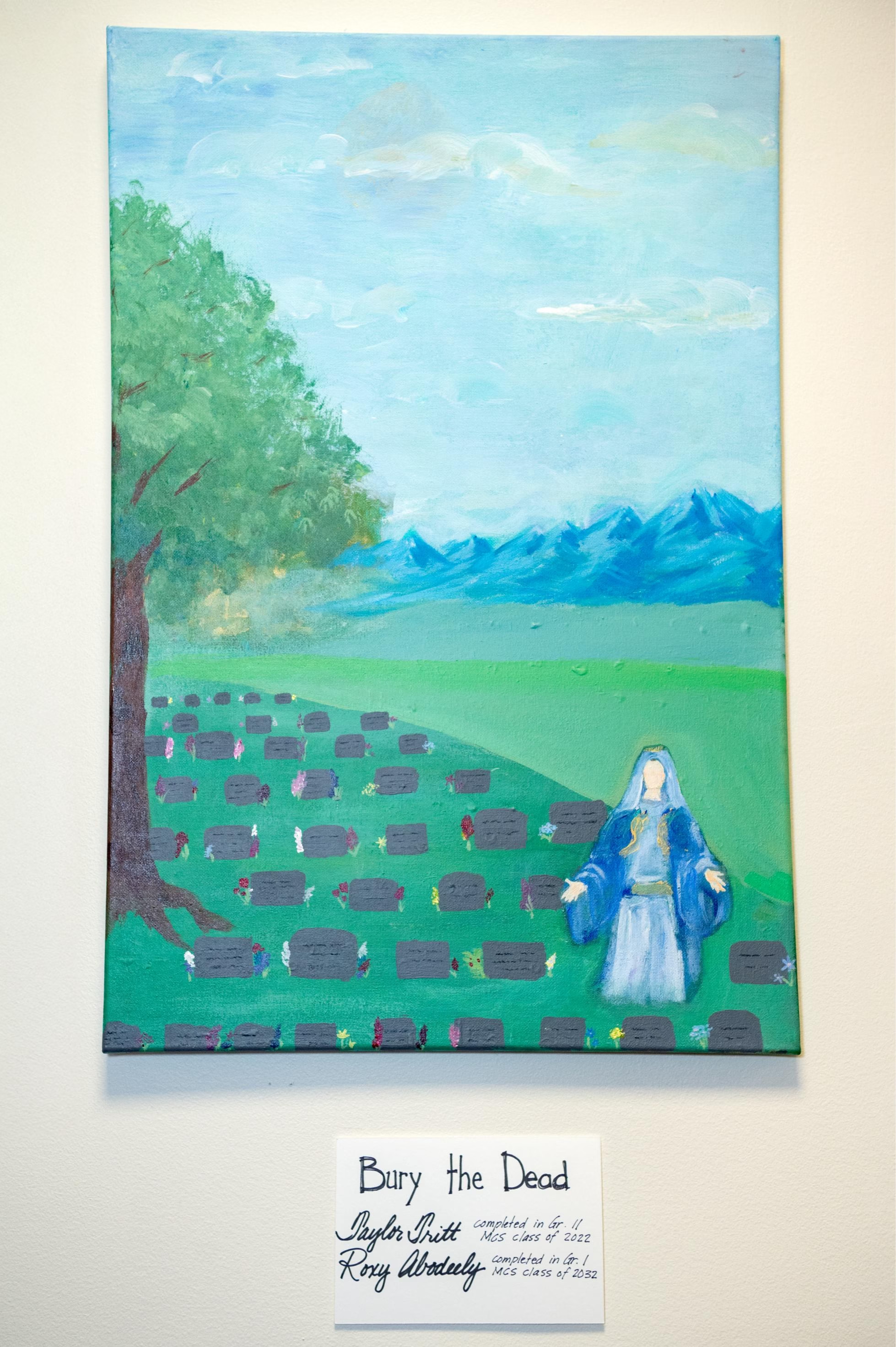
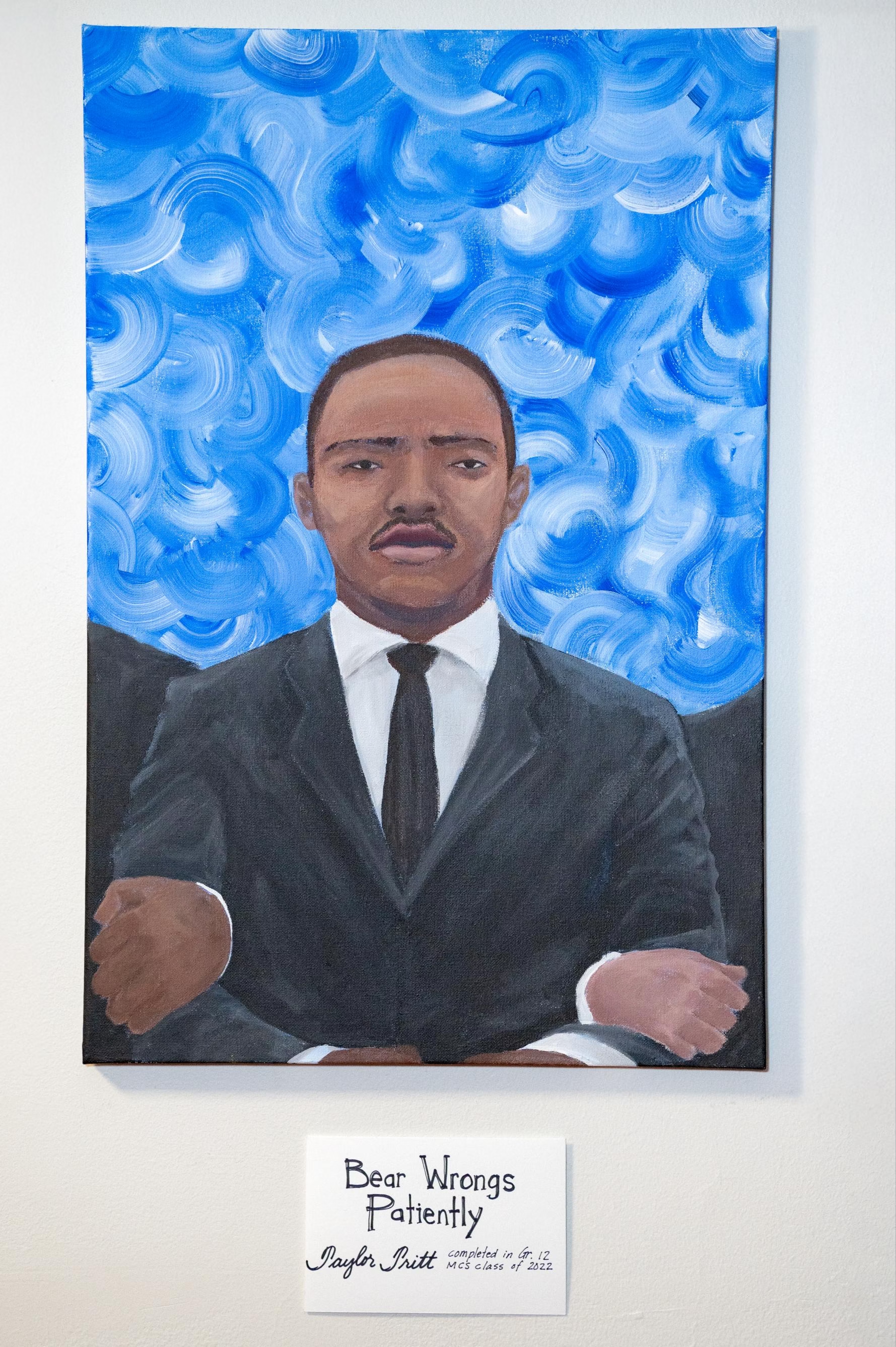
The paintings are different in style, age of the artists, mediums, and perspective. Yet together they tell a larger story about what mercy can look like. Mercy can be feeding someone, welcoming a stranger, comforting someone who is grieving, forgiving, teaching, remembering, praying, or simply showing up for another person.
In that sense, these paintings became more than representations of the Corporal and Spiritual Works of Mercy. They became their own works of mercy. They brought people together. They created opportunities for students to see one another differently. They connected generations of our school community. They gave students a way to tell stories that mattered to them and, in some cases, to honor people they loved. Some of the works also invite us to look more closely at the people and stories they reference—historic figures such as Martin Luther King Jr., or individuals like Sister Helen Prejean, CSJ whose quiet commitment to visiting and supporting those in prison reflects a lived expression of mercy. These references encouraged students not only to represent these figures visually, but to ask deeper questions about what mercy, justice, peace, and compassion look like in real lives.
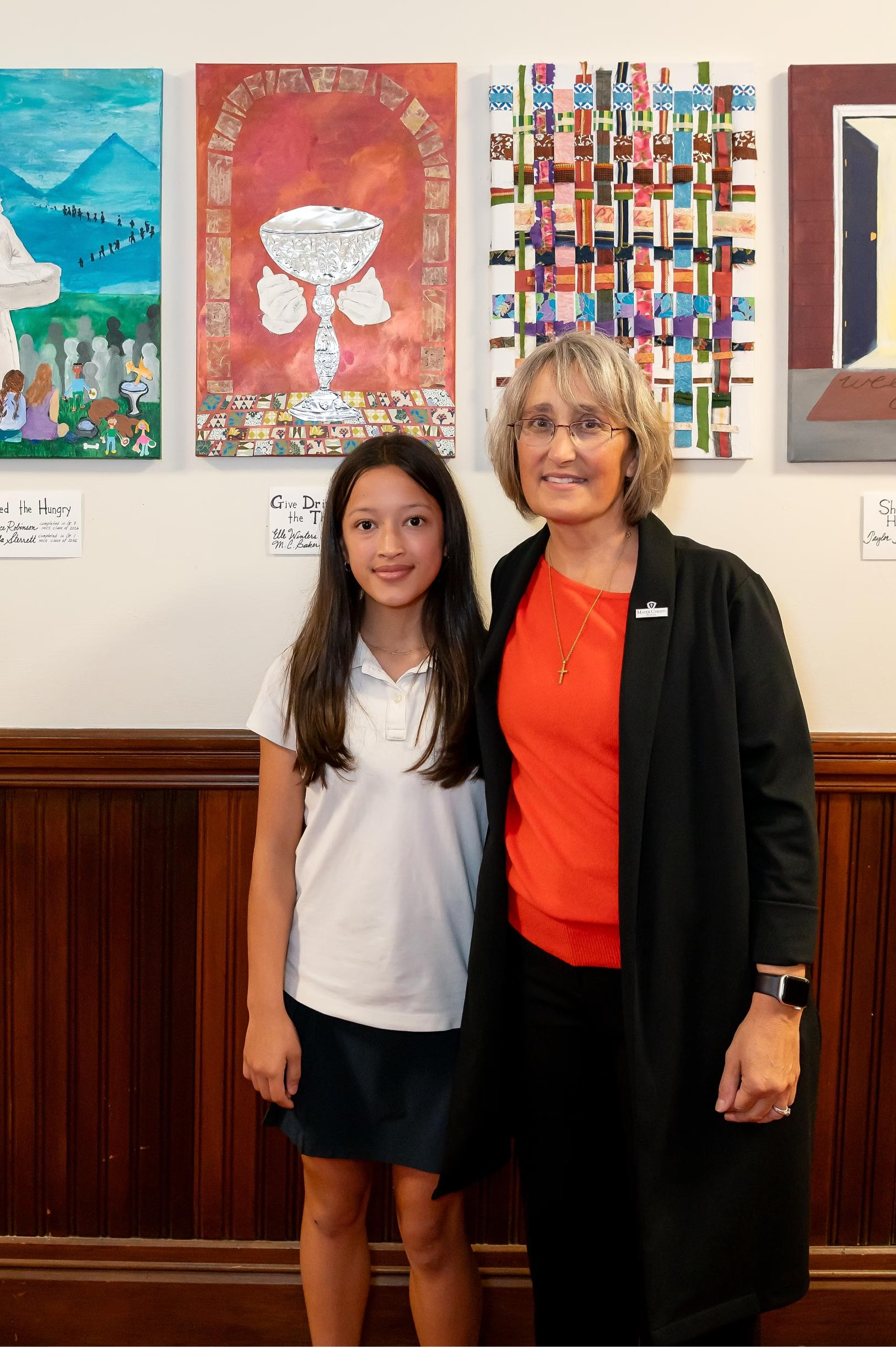
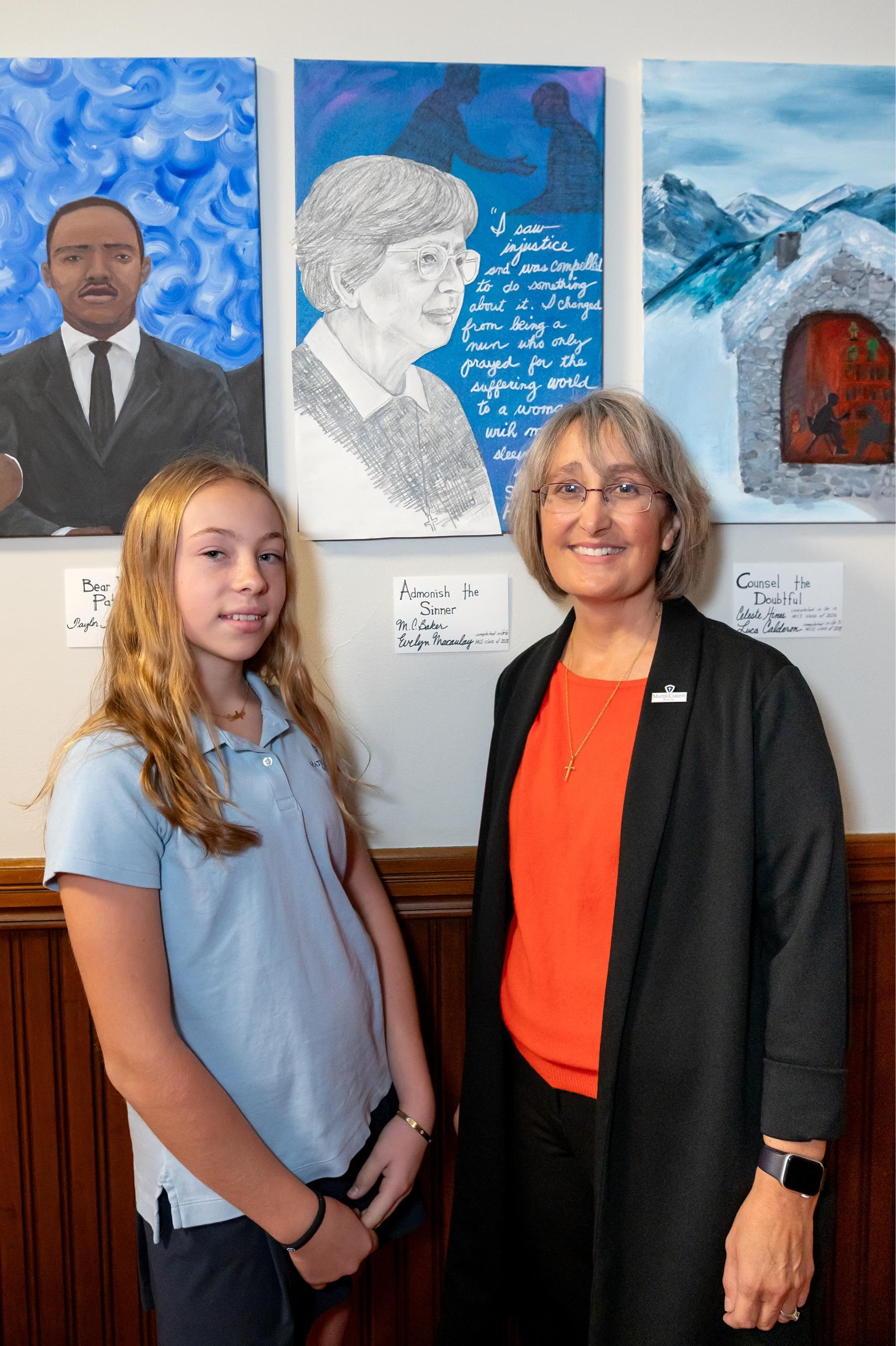
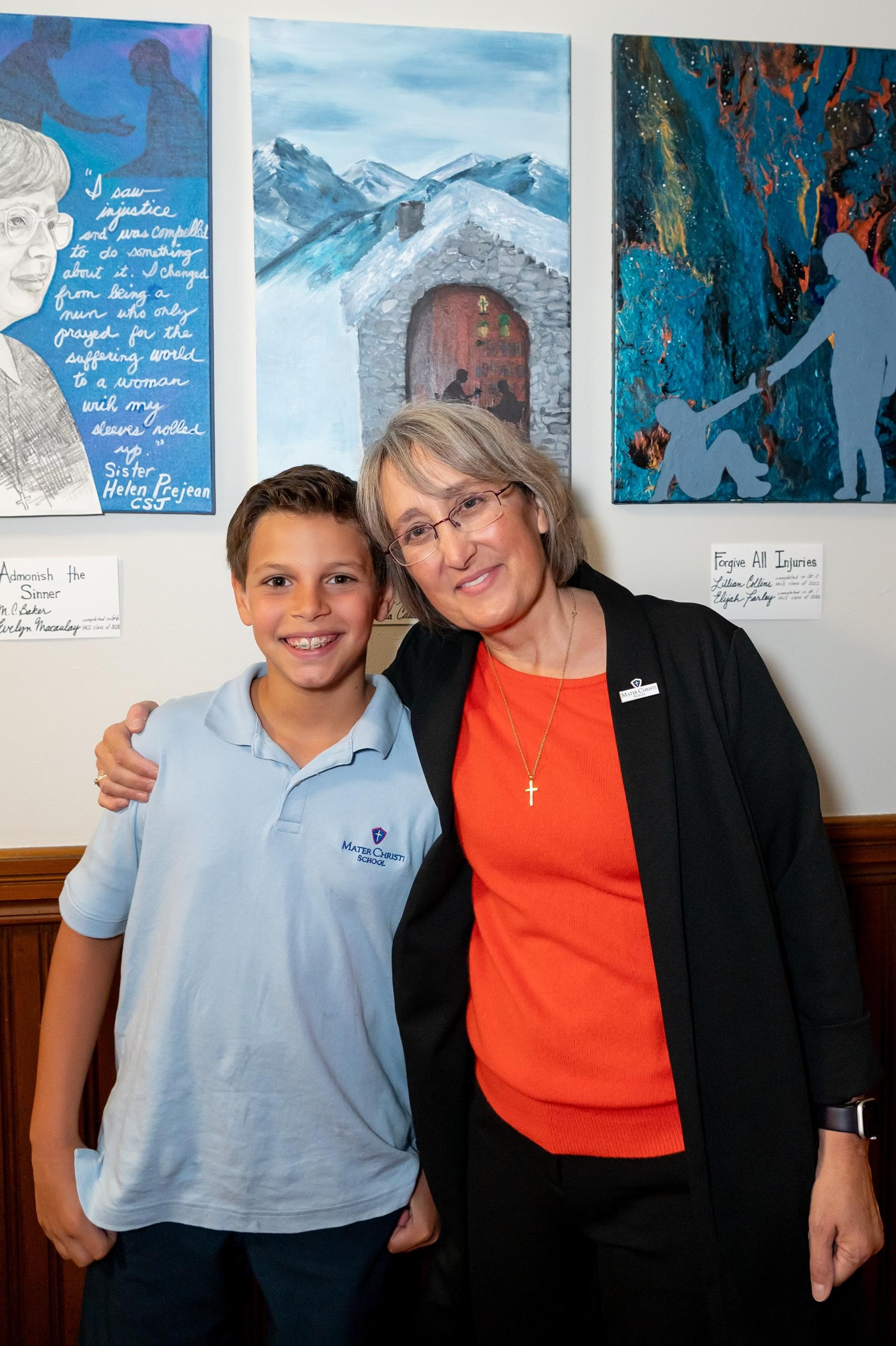
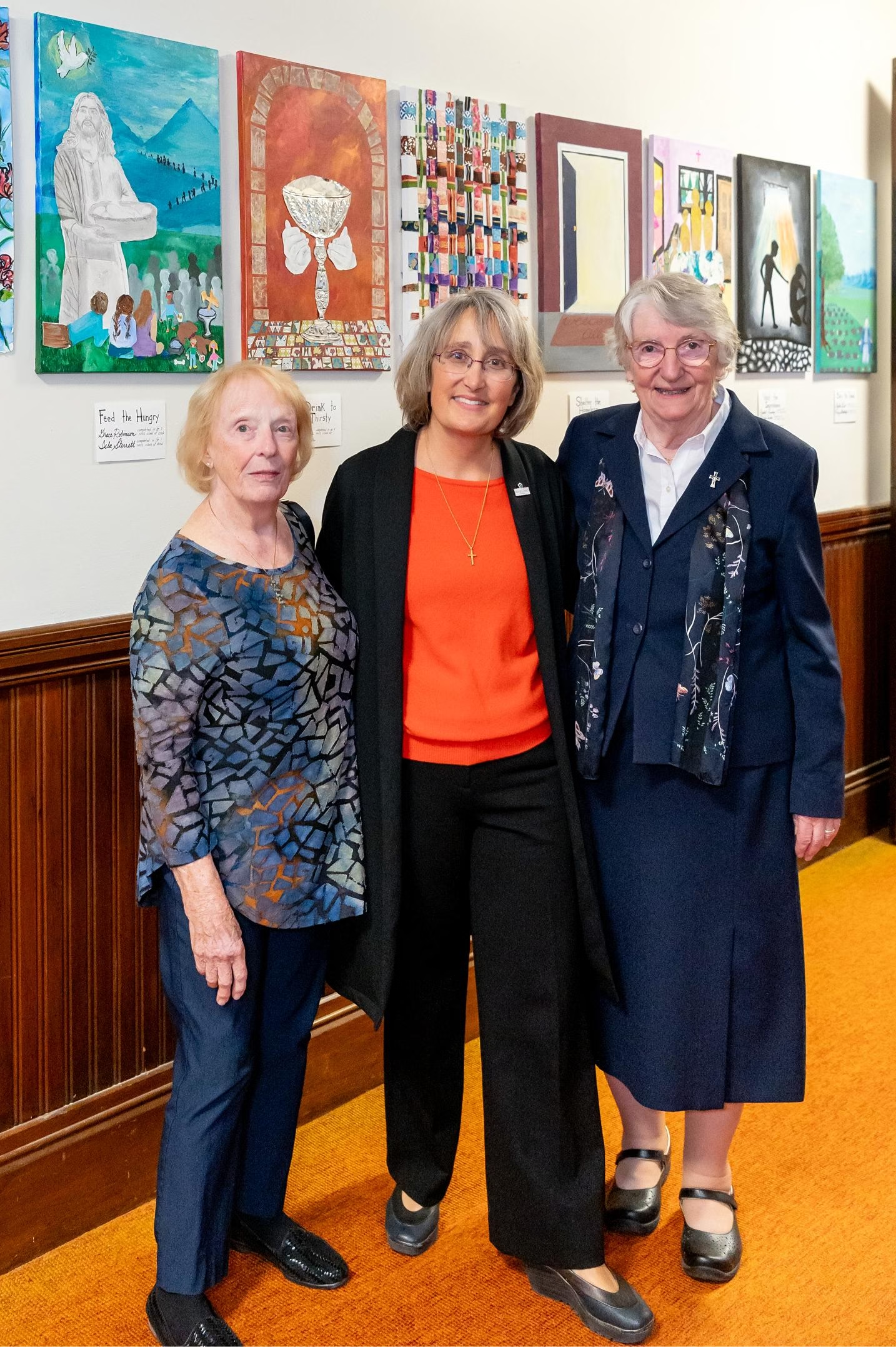
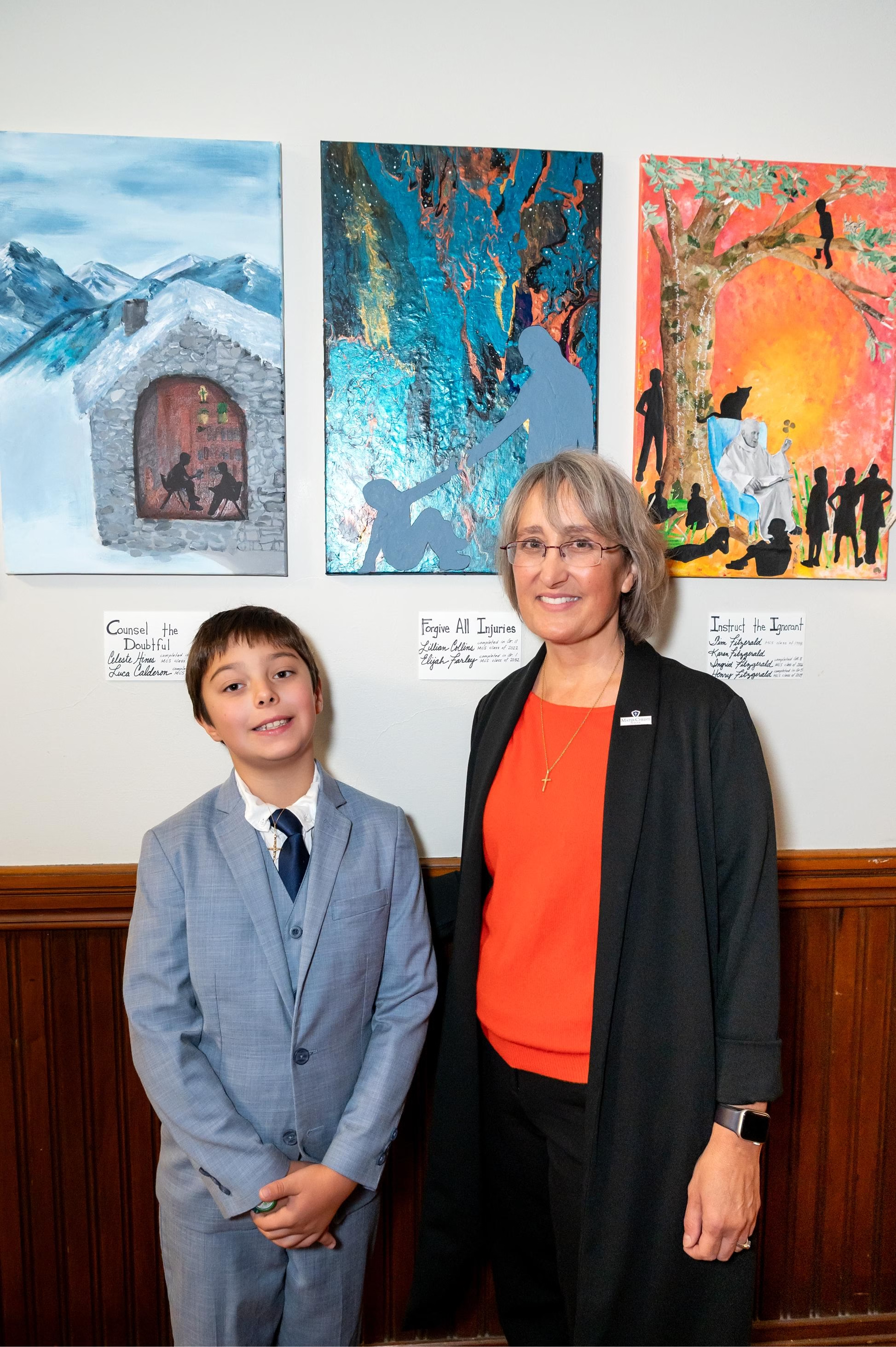
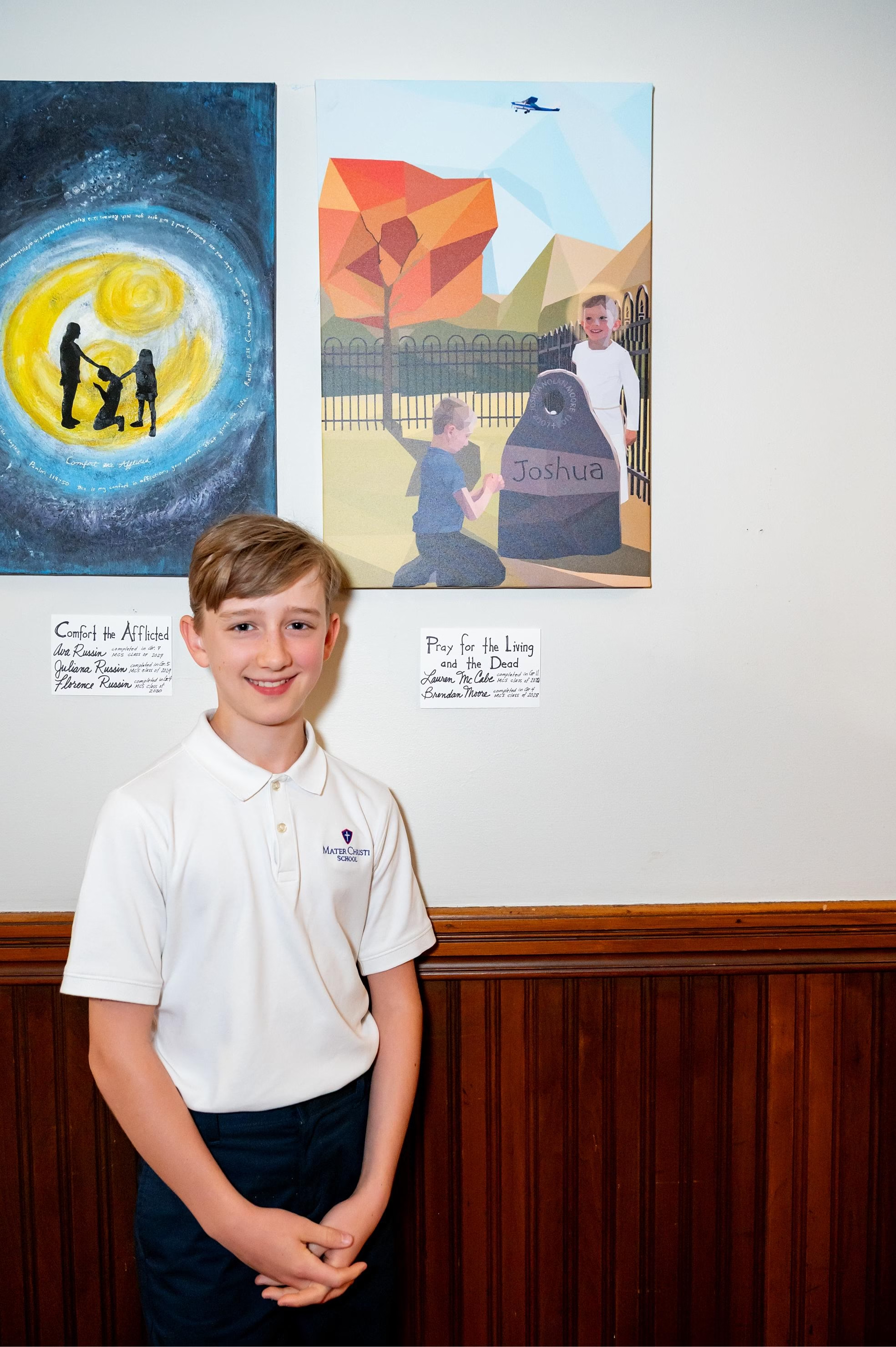
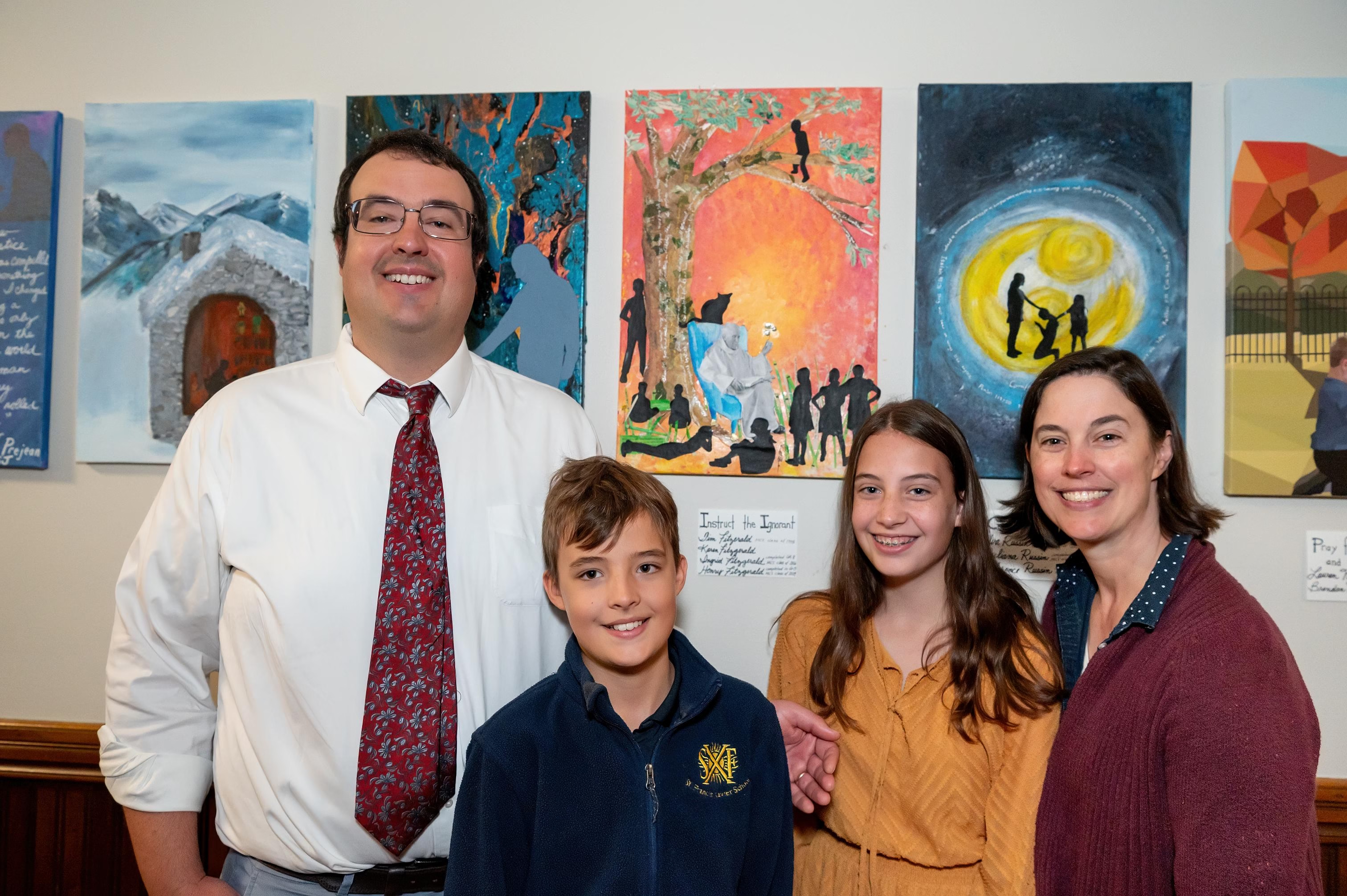
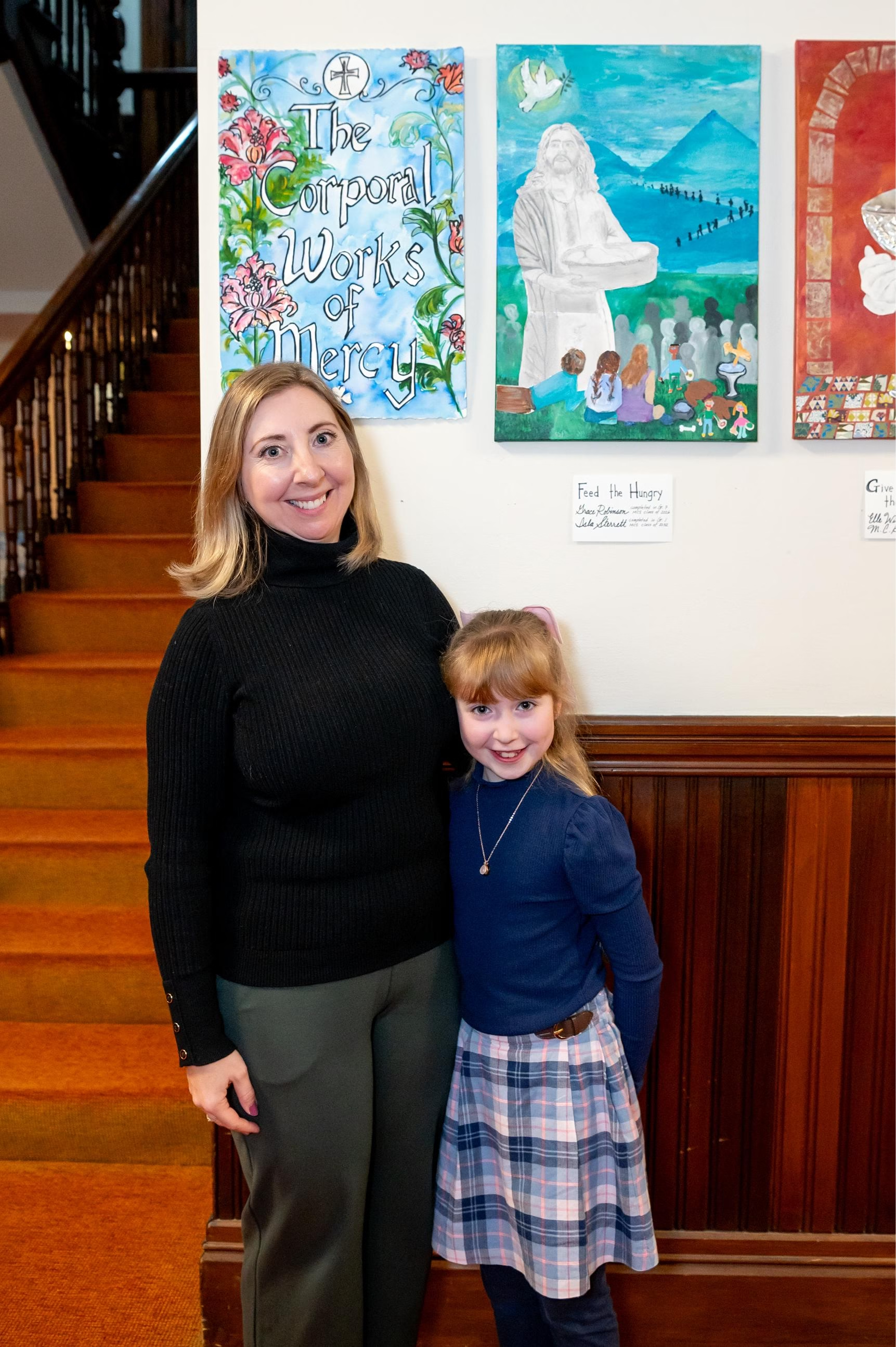
The small cards beneath each painting identify the Corporal and Spiritual Work of Mercy and the students / collaborators who helped bring these works to life. Taken together, they form a kind of living record of our school community—a collection of names, relationships, memories, and acts of creativity.
I am incredibly proud of what our community has created. Not simply because the finished works are beautiful, but because of the love, vulnerability, imagination, generosity, and collaboration contained within them.
This project was truly a labor of love.
Now installed outside the chapel, these fourteen works stand as a shared offering from our school community—shaped by many hands, many stories, and three years of creative collaboration.
M.C. Baker and Jenny Larkin, Art Teachers at MCS